
Keeping track of sessions matters when you play on a phone, and a mobile pokies…
Cashback Bonus Wagering Explained for Australian Players
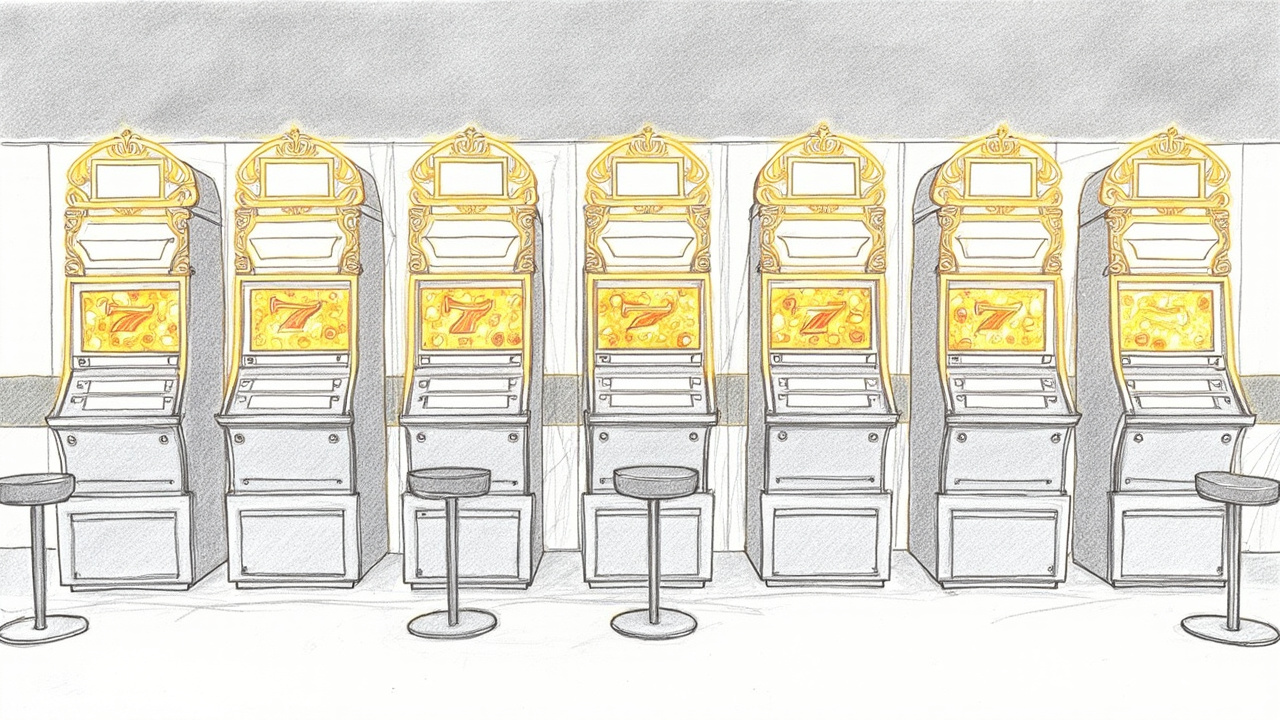
After watching a mate blow through his Thursday arvo deposit on a single hot session and then quietly collect a slice back the next morning, I realised most punters still miss the point of cashback. It is not free money and it is not a withdrawal waiting to happen; it is a structured return that sits inside a defined wagering cycle. I have been editing casino content since the dial-up days, and the way these offers are written has barely changed even as the maths behind them got sharper. Here is how cashback bonus wagering explained actually works when you strip away the marketing gloss and look at what a player sees on the screen.
What cashback actually returns
Cashback is a percentage of net losses returned over a set window, usually a calendar day or a rolling week, and it lands as bonus credit rather than cash in your account. The moment it posts, a wagering requirement attaches to that credit, which is where cashback bonus wagering explained stops being a slogan and starts being a set of rules you have to follow before any of it is yours to withdraw. At Spin Fever, the cashback sits around fifteen percent on net losses for the first seventy-two hours after deposit, capped at a fixed dollar figure so a single bad spin session cannot trigger an outsized return that the operator never intended to fund. The credit clears to your bonus balance, not your real-money wallet, and the attached playthrough is modest compared with a standard deposit match because the house has already absorbed the loss you are being paid back on. Santexnik
That distinction matters more than the percentage on the page. A twenty percent cashback with a fifty-times playthrough is often worse value than a fifteen percent return with a three-times cycle, because the second one actually lets you convert the credit into withdrawable funds without burning through it on high-variance pokies. I have seen operators advertise a generous-looking rate and then bury a game-weight restriction that counts only a fraction of each spin toward the requirement, which quietly turns a useful offer into a near-lock on a bonus that never quite clears. When you read cashback bonus wagering explained in plain terms, the real question is how much of your return you can actually bank after the playthrough, not how big the headline number looks in an email subject line.
How the wagering cycle plays out
The cycle itself is straightforward once you map it against a real session. Say you deposit on a Tuesday night, chase a bonus round on a NetEnt pokies title, and finish the arvo down by eight hundred dollars after a couple of cold stretches. The operator calculates your net loss for that window, applies the cashback rate, and credits the result as bonus funds before midnight or the following morning, depending on how the terms define the cut-off. From that point, every wager you place with the cashback credit ticks toward the requirement, and the operator tracks progress in real time so you can see exactly where you stand before you decide to keep grinding or walk away.
Two practical details shape whether the cycle works for you. First, the game contribution table matters because table games and some live dealer titles often count for less or nothing toward cashback wagering, which means a player who prefers blackjack can end up stuck with credit they cannot meaningfully burn through. Second, the time limit on the playthrough is the quiet killer; a forty-eight-hour window on a modest bonus is manageable, but a short cycle on a larger return pushes you into high-speed play that defeats the point of a loss-mitigation offer. I covered a similar timing trap in an older piece on how tournament leaderboards reward pace over patience, and the same urge to rush shows up whenever a player stares at a ticking wagering clock. The sensible move is to treat the cashback credit like a second chance on the games you actually play well, not a blank cheque to chase losses all over again.
What Olivia Watson, Marketing Director at Banksia Betting Partners, flags when she looks at these offers is the gap between the advertised rate and the actual conversion rate once game weighting and time limits are applied. She has noted that a cashback figure on its own tells you almost nothing about whether the offer is usable, because the playthrough mechanics and the game contribution rules do the real work of shaping player value. That is the sort of caveat I have learned to check before I publish any review, because a headline percentage without the cycle details is just noise.
This is why independent audits and community feedback are essential for separating promotional hype from genuine player value. Readers looking for a deeper breakdown of these mechanics can consult the spin fever casino review heated takes at spin fever casino review heated takes. Such analyses typically highlight how wagering multipliers and restricted titles can drastically alter the real-world worth of a promotion.
How this fits the way you actually play
For an Australian player, the usefulness of cashback depends on how you structure your sessions and what you expect from a bonus in the first place. If you tend to deposit, play a focused run on a few favoured pokies, and then log off whether you are up or down, a modest cashback on net losses can soften the edges without dragging you into a fresh wagering grind. If you are the type who reloads three or four times in one sitting and treats every cold streak as a signal to chase, the same offer can quietly become another layer of playthrough you have to clear before anything is real. The distinction is not about whether the offer is generous; it is about whether the cycle matches your habits.
Payment timing and currency also shape the fit. Most Australian-facing operators process cashback credit in the same currency as your account, which keeps the maths clean, but the path from bonus credit to a real-money withdrawal still runs through the wagering requirement and any ongoing verification checks. I have seen players assume the cashback lands as withdrawable funds because the email says «return» and the account balance ticks up, only to find the credit is locked behind a playthrough that has to clear before any withdrawal request is even considered. That is why reading the terms on the cycle length, the game weighting, and the cap matters more than the rate itself.
Spin Fever keeps the cashback tied to a straightforward daily window and a capped return, which makes the offer easier to model than a rolling-week structure with a moving cap and a game-weight table that shifts by title. The everyday usability comes down to whether you can clear the requirement on the games you actually enjoy playing, because a cashback offer that only works on a handful of high-volatility pokies is not much use to a player who prefers a slower run on lower-variance titles. The registration and mobile experience do not change the maths, but they do change how easily you can track your progress, check the contribution table, and decide when to stop rather than keep feeding the cycle.
The verdict
Cashback bonus wagering explained is really a question of cycle design, not headline generosity. A capped fifteen percent return with a modest playthrough on games you actually play is more useful than a larger rate buried in terms that make the credit hard to convert. For a player who treats cashback as a soft landing after a defined session rather than a fresh reason to chase, the offer can make sense; for anyone expecting a loss-free run or a quick path to withdrawable funds, it is not. Read the cycle, check the game weighting, and match the offer to the way you play before you treat the credit as anything more than a structured second chance.
